52 of the 92 teams in the football league have changed their manager in the last year.
It was this stat, tweeted by reporter Nick Harris (well worth a follow) which inspired this blog post. The days of giving managers time to settle and build a team have gone and have been replaced by a results orientated approach, which is to be expected when looking at what is at stake.
 In fact, the longest serving manager at a current football league team is Morecambe's Jim Bentley. The somewhat sorry thing for English football is that Bentley was only appointed in May 2011,which, for scale, Sir Alex Ferguson's 25th year of his 27 year tenure at Manchester United. You have to go as far as October 2012 to find any sign of a Premier League manager in the list of longest serving managers (both Sean Dyche and Eddie Howe were appointed in October 2012).
Why is this to be expected?
As the fee's received for television money and premier league prize money rises alongside the fee's paid for players and players wages the cost to sack a manager is, whilst still increasing, less meaningful. This, paired with the fact that managers are now having performance related clauses in their contracts whereby a failure to match expectations, gives the club the opportunity to dismiss managers for a reduced fee and add to the decreasing time you would expect to see a manager at a club for.
In fact, it is often cost effective to dismiss a manager. The premier league offers a £100m minimum payment. In simpler terms, this is the reward for finishing bottom of the premier league. Contrast this to last years champions league winners Real Madrid who won around £77 million for their heroics in Kiev. Therefore, Fulham's decision to sack Claudio Ranieri, seeing them change manager for the second time this season, may have method behind the madness.
Ten points from safety and looking to be in a perilous position Fulham had a stick or twist option. After deciding to twist and dismiss Ranieri with presumably a reasonably large payout, Fulham have appointed Scott Parker as interim manager and are looking for the 'Ole Effect' that Manchester United have witnessed in order to pull of what would surely be one of the greatest premier league survivals to date (albeit every year there seems to be a great escape).
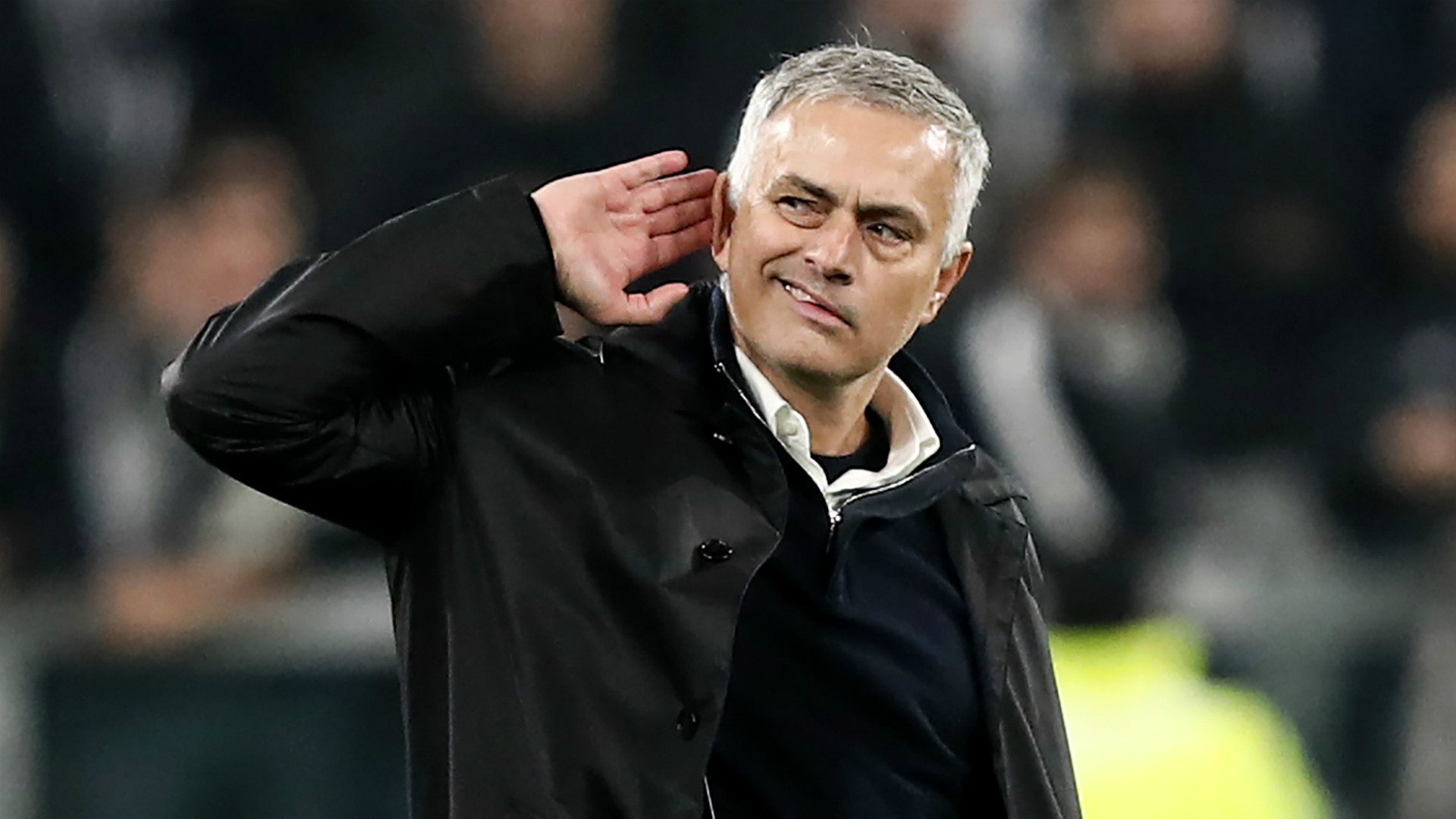 In fact, it is reported that Manchester United paid Jose Mourinho £12 million when taking the decision to sack him in December, but the extraordinary affect Ole Gunnar Solskjaer has had at Old has given United a genuine top four chance and possibly, if the decision was taken sooner, may have put them in the title race. Last season, 4th placed Liverpool received £145.9 million based on their final league position and also benefitted from the attraction of offering Champions League football to their potential signings, something Manchester United couldn't afford to miss out on.
Comments
Post a Comment